About Insulation Laminated Paper
Insulation Laminated Paper
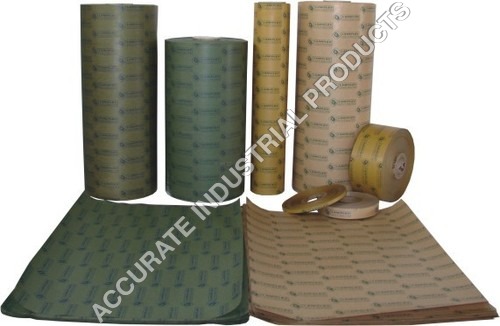
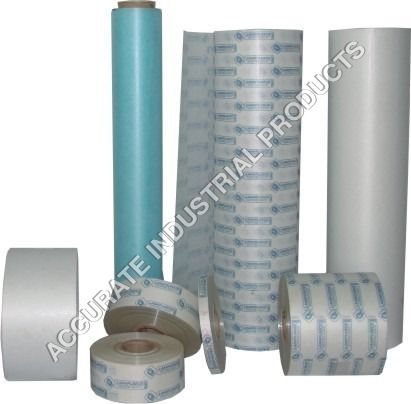
LAMIFLEX IS DOUBLE LAYER INSULATION MADE OF POLYESTER FILM WITH INSULATING PRESS PAPER OVERLAY ON ONE SIDE FOR INSULATION
CLASS B
THE PRESENCE OF POLYESTER FILM GIVES TO LAMIFLEX :
- HIGH TENSILE AND TEAR STRENGTH.
- HIGH DIELECTRC STRENGTH
- GOOD DIMENSIONAL STABILITY
- COMPATIBILTY WITH IMPREGNATING VARNISHES AND OILS
- INSULATION CLASS B (130 oC )
Features
Thickness : 5 mil / 7 mil / 10 mil
Size : 24 inch x 30 inch sheet or 24 inch Roll
Slitted sizes can be supply as per requirements.
Superior Electrical Insulation PerformanceWith a dielectric strength greater than 12 kV/mm and a rated voltage range from 2 kV to 6 kV, our laminated paper provides uncompromising insulation, minimizing risk of electrical breakdown in critical equipment. Designed for use in transformers, motors, and other electrical devices, it ensures consistent, reliable protection during operation.
Advanced Material EngineeringEach roll features a smooth, uniform surface, superior adhesion between layers, and low thermal conductivity (0.025 W/mK), ensuring high efficiency in both electrical and thermal protection. The materials elongation rate and tensile strength offer durability and longevity, even in demanding industrial environments.
Flexible Dimensions, Easy StorageOffered in standard roll lengths of 100 meters, widths up to 1250 mm, and thicknesses from 0.15 mm to 0.5 mm, this laminated paper adapts to a broad array of insulation needs. With a shelf life of 24 months and simple storage requirementscool, dry atmosphere away from direct sunlightusers benefit from easy inventory management and reduced waste.
FAQs of Insulation Laminated Paper:
Q: How should Insulation Laminated Paper be stored to maintain its properties over time?
A: It should be stored in a cool, dry place, away from direct sunlight to ensure optimal shelf life and prevent degradation of its insulating, thermal, and mechanical properties. The recommended shelf life is 24 months under ideal storage conditions.
Q: What process is followed to ensure strong adhesion between paper and polyester layers?
A: The lamination process employs advanced bonding techniques that promote an excellent bond between paper and polyester, resulting in reliable adhesion strength. This helps maintain the integrity of the insulation even under stress or thermal cycling.
Q: When is this Insulation Laminated Paper typically used in electrical equipment?
A: It is commonly used during the manufacturing and maintenance of transformers, motors, and similar electromechanical devices. Its application is essential whenever electrical insulation and thermal protection are required, usually at installation or repair stages.
Q: Where can this laminated paper be applied within electrical systems?
A: This product is ideal for insulating components in transformers, motors, and a range of electrical equipment where high dielectric strength and thermal protection are crucial for performance and safety.
Q: What benefits does the smooth and uniform surface finish provide in insulation applications?
A: A smooth, uniform surface ensures consistent insulation performance, reduces the risk of electrical discharge, facilitates easy handling during application, and contributes to overall durability and quality of the insulation material.
Q: How does its thermal conductivity value ensure efficient thermal management?
A: With a low thermal conductivity of 0.025 W/mK, the paper acts as an effective barrier, minimizing heat transfer and helping maintain stable temperatures within electrical components. This safeguards sensitive equipment from overheating.
Q: What is the recommended method for cutting or processing the rolls to fit specific requirements?
A: Rolls can be slit or cut to desired widths and lengths using standard industrial cutters, with available options up to 1250 mm in width and 100 meters in length. Thicknesses range from 0.15 mm to 0.5 mm, making customization straightforward for various applications.





 Send Inquiry

